Aarhus University logo
Interdisciplinary Nanoscience Center
Internationally recognized Nanoscience center conducting science and educating Nanoscientists at the highest international level
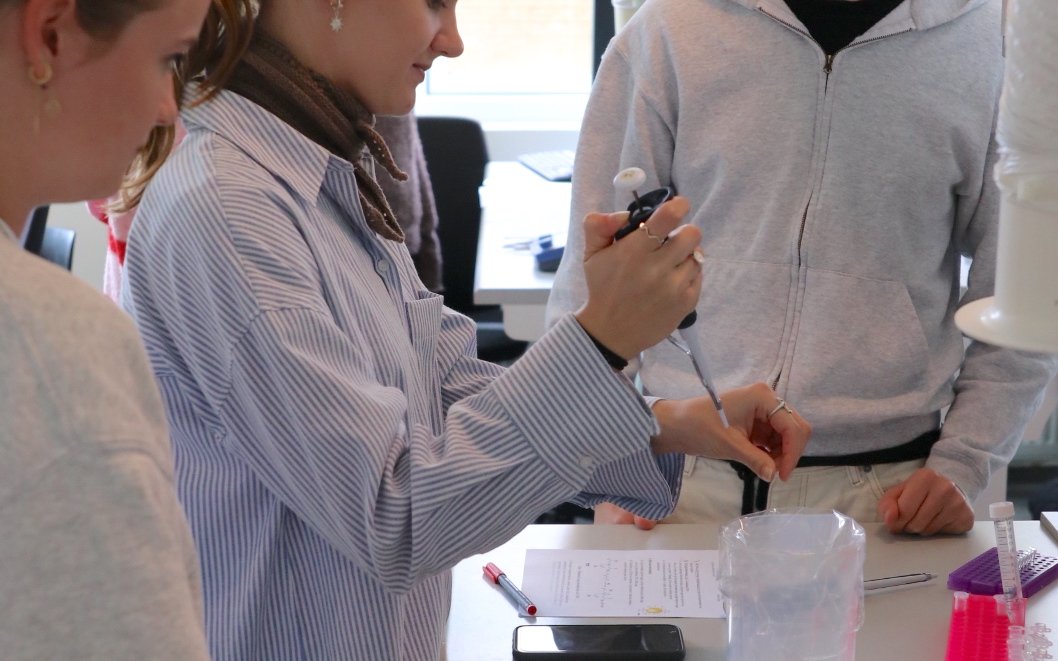
Are you a future Nanoscience student?
Research within medicine, materials and food
Associate Professor Ebbe Sloth Andersen has been awarded the prestigious European Research Council Advanced Grant for developing RNA-based nanorobots for controlling biological cells to improve biotechnological production.
The bacterium Helicobacter pylori, best known for causing stomach ulcers, may also hold potential in the fight against Alzheimer’s and Parkinson’s disease. New research involving scientists from Aarhus University has shown that the bacterium produces a protein that appears to prevent the formation of the protein clumps—known as amyloid…
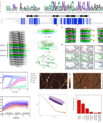
An international research team led by Professor Daniel Otzen from the Interdisciplinary Nanoscience Center has unveiled the first-ever single-residue resolution structure of a functional bacterial amyloid, based entirely on experimental data.
Page 10 of 165